
Many women experience premenstrual syndrome, or PMS, each month, but common treatments often focus on medication. A growing number of health experts suggest that simple lifestyle changes can offer relief without side effects.
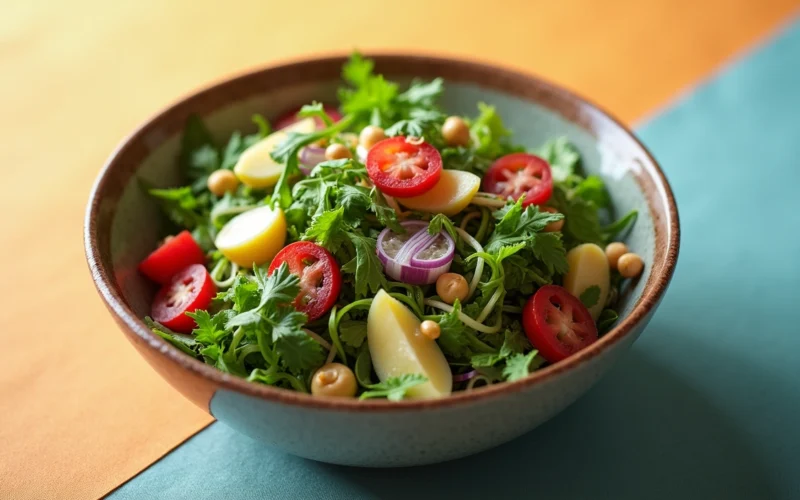
One approach involves adjusting diet. Eating smaller, more frequent meals can help stabilize blood sugar, which may reduce mood swings and fatigue. Foods rich in calcium, such as leafy greens and dairy, have been linked to fewer PMS symptoms.
Exercise also plays a role. Moderate physical activity, like walking or yoga, can boost endorphins and improve sleep. Even short sessions of 20 minutes per day may make a difference.
Stress management is another key factor. Techniques such as deep breathing, meditation, or journaling can lower cortisol levels. High stress often worsens PMS symptoms, including irritability and bloating.
Some women find relief through supplements. Vitamin B6, magnesium, and evening primrose oil are commonly used. However, experts advise consulting a doctor before starting any new supplement routine.
Sleep quality matters too. Going to bed and waking up at the same time each day helps regulate hormones. Avoiding caffeine and screens before sleep can improve rest.
Alternative therapies like acupuncture or herbal teas are also gaining attention. While research is limited, some women report fewer cramps and better mood after trying these methods.
The key is to find what works for each individual. Tracking symptoms over a few months can help identify triggers and effective remedies. Small changes often add up to noticeable improvements.
For those seeking a more structured plan, a spring wellness routine focused on “less but better” can help. This approach emphasizes quality over quantity in diet, exercise, and rest. It aims for more energy, better sleep, and less stress, which can ease PMS symptoms over time.