A nutrition consultant has outlined a five-day meal plan designed to help with blood sugar management, along with an explanation of how blood sugar works and why it matters for overall health.
Blood sugar, also known as blood glucose, is the amount of sugar in the blood at any given time. It is produced when the body breaks down carbohydrates. When a person eats a balanced meal of carbohydrates, protein, and fat, digestion breaks down the food. Carbs are turned into glucose, which is the body and brain’s primary source of energy. After eating, blood sugar levels rise. The pancreas then releases insulin, a hormone that helps manage blood sugar levels. Insulin acts as a key, opening cells to transport glucose from the bloodstream for immediate energy or storage.
The goal is a gradual rise in blood sugar after eating, followed by a slow and steady decline. Large increases in blood sugar can lead to drastic decreases, causing energy crashes. The aim is not to avoid carbs and sugar completely, but to maintain a healthy balance.
How to Achieve Steady Blood Sugar
The consultant recommends pairing protein and fiber at every meal. Protein slows digestion and blunts glucose spikes, while fiber slows the rate at which sugar enters the bloodstream. A breakfast of toast and juice will spike blood sugar quickly, but adding eggs and greens changes the response. Each meal should aim for 25 to 30 grams of protein and a serving of fiber-rich vegetables or whole grains.
Taking a 10 to 15 minute walk after eating is another recommendation. Research shows that walking after meals helps muscles use glucose for energy, lowering the post-meal blood sugar response. Prioritizing 7 to 9 hours of sleep is also important, as poor sleep can worsen blood sugar regulation. Managing stress is also a key factor, as stress raises blood sugar even without eating.
Inconsistent meal times and not eating enough or eating consistently every 3 to 4 hours can also be stressful to the body. The consultant does not recommend intermittent fasting for most women. Both a sedentary lifestyle and excessive exercise can impact blood sugar levels.
Foods That Help Balance Blood Sugar
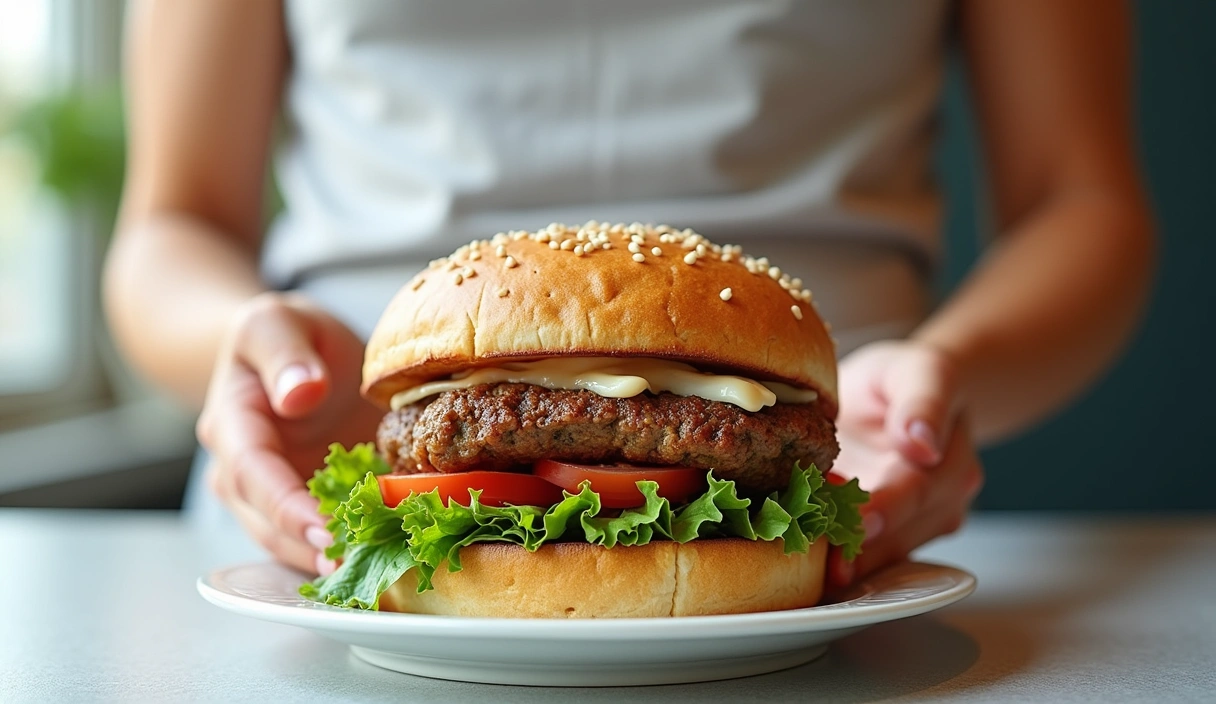
The consultant lists foods that cause minimal blood sugar spikes and support sustained energy. These include animal protein sources like eggs, chicken, turkey, salmon, and beef. Plant-based protein sources include tempeh, tofu, and edamame. Other recommended foods are plain Greek yogurt, dark leafy greens, non-starchy vegetables like tomatoes and zucchini, celery, cucumber, cruciferous vegetables like Brussels sprouts and broccoli, berries, cottage cheese, avocados, nuts, seeds, olives, beans, legumes, kimchi, sauerkraut, cinnamon, and apple cider vinegar.
The 5-Day Meal Plan
The plan is described as a flexible framework, not a rigid prescription. Every meal and snack pairs protein, fat, and fiber-rich carbs.
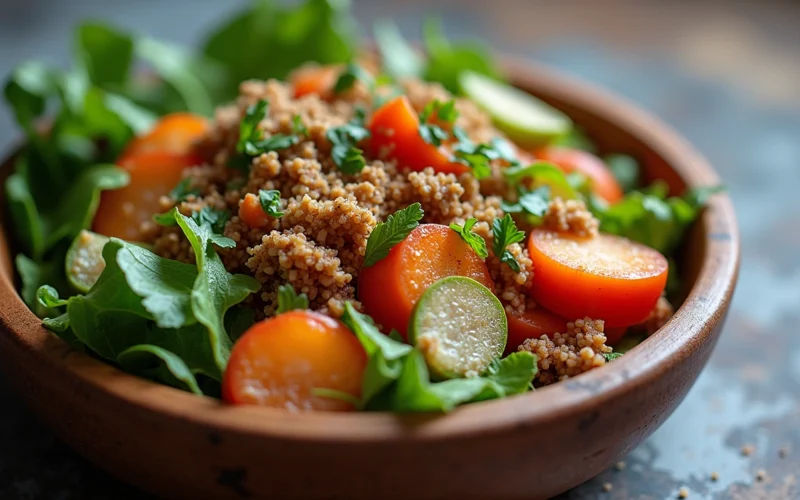
Day 1 includes a two-egg veggie scramble with spinach, bell peppers, and avocado for breakfast. Lunch is a mixed greens salad with grilled chicken, cucumbers, tomatoes, pumpkin seeds, and quinoa. Dinner is baked salmon with roasted broccoli and sweet potato wedges.
Day 2 starts with overnight oats made with rolled oats, chia seeds, almond milk, protein powder, and berries. Lunch is turkey and avocado lettuce wraps with a side of hummus. Dinner is a grass-fed beef stir-fry with broccoli, snap peas, and cauliflower rice.
Day 3 features a strawberry matcha smoothie with protein powder for breakfast. Lunch is lentil soup with carrots, celery, and kale. Dinner is grilled chicken thighs with roasted Brussels sprouts and brown rice.
Day 4 begins with a two-egg omelet with goat cheese and sun-dried tomatoes. Lunch is a grain bowl with quinoa, black beans, grilled chicken, roasted sweet potato, and tahini dressing. Dinner is slow-roasted cod with baked sweet potatoes and asparagus.
Day 5 includes chia pudding made with coconut milk for breakfast. Lunch is a large salad with mixed greens, canned wild salmon, avocado, and sunflower seeds. Dinner is turkey meatballs with marinara sauce over zucchini noodles.
Tips for the Meal Plan
The consultant suggests eating within an hour of waking up with a protein-forward breakfast. Paying attention to eating order is also recommended, such as eating vegetables and protein before carbs. The goal is to pair carbs with protein, fat, or fiber, not to restrict them. Meal prepping basics like hard-boiled eggs and chopped vegetables can help. Moving after meals and staying hydrated are also advised.
This article was originally published on Camille Styles.